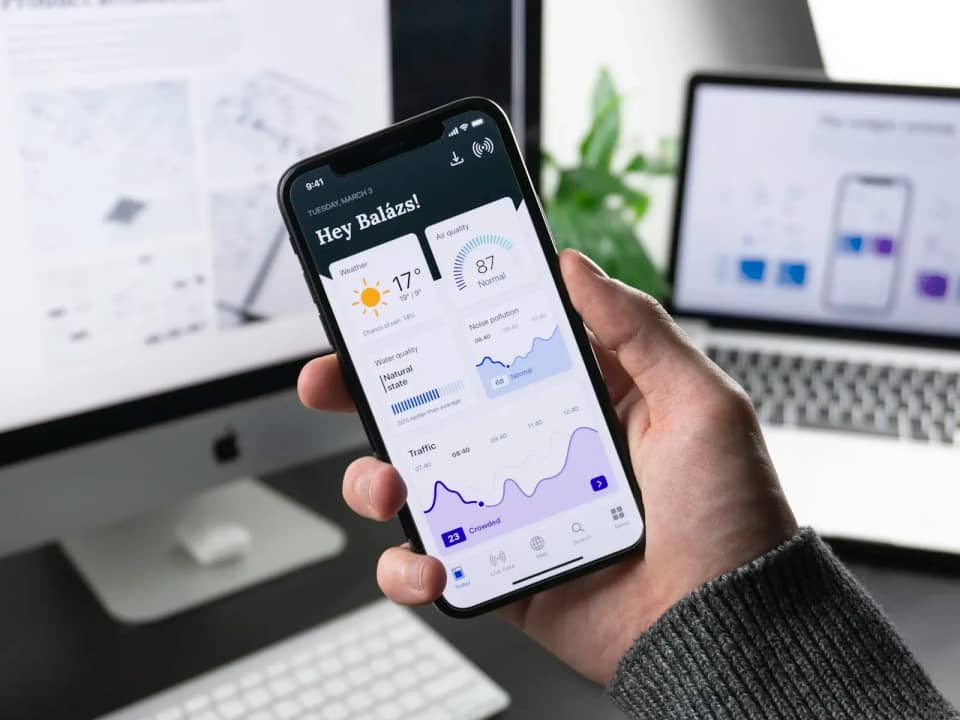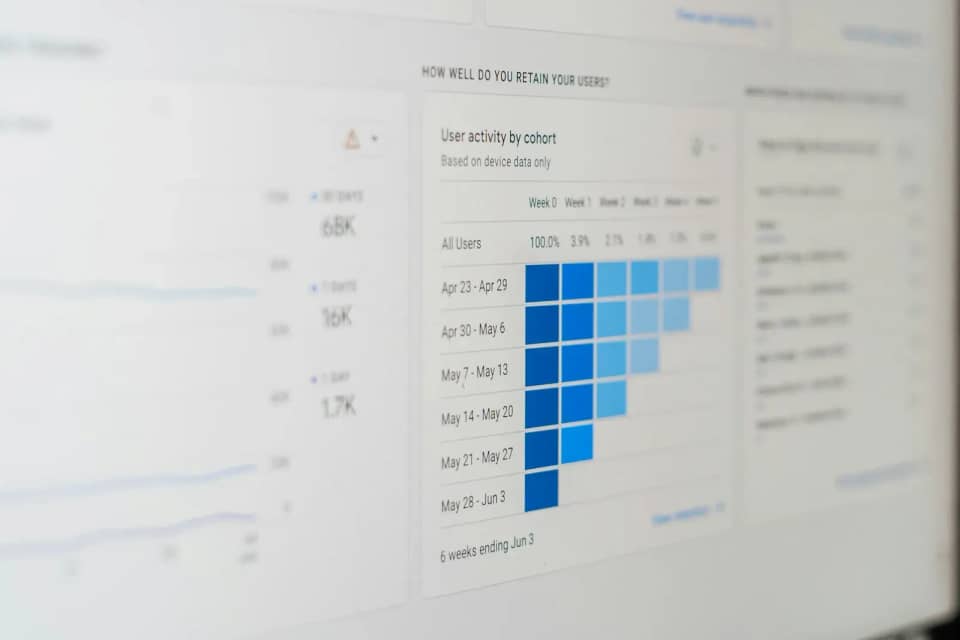
Both Google Ads and Meta (Facebook and Instagram) Ads can bring customers, but they work very differently. Google captures people who are already searching. Meta reaches people who aren't searching yet. Here's how to choose.
Google Ads: catch people who are ready
When someone types “AC repair in Dwarka” they need it now. Google search ads put you at the top for these searches. They work best for urgent or high-intent services: repairs, clinics, legal help, coaching admissions, B2B suppliers.
Meta Ads: create demand and build trust
Facebook and Instagram ads appear while people scroll. They're great for visual products and offers: food, fashion, salons, events, real-estate projects and lead forms. They also build familiarity, so people recognise you later.
Which should you start with?
- If people search for what you sell → start with Google.
- If your product is visual or impulse-driven → start with Meta.
- If you have a small budget → pick one, learn, then expand.
Track leads, not clicks
Set up conversion tracking for calls, WhatsApp clicks and form submissions. Then you can see your cost per lead and, with a CRM, your cost per customer. Without tracking, you're guessing.
Setting up Google search ads the right way
- Group keywords by service, each with its own ad and landing page.
- Target only the areas you actually serve, using a radius or specific localities.
- Add negative keywords to block irrelevant searches like “free”, “jobs” or “course”.
- Use call and location assets so people can call directly from the ad.
- Schedule ads for the hours you can answer the phone.
Setting up Meta ads that bring leads
- Pick the right objective, leads or messages for enquiries, not just reach.
- Target your local area and a sensible age range; let the algorithm learn within that.
- Test two or three creatives at a time: a reel, a carousel and a strong single image.
- Use instant forms with one or two qualifying questions to filter low-quality leads.
- Retarget people who visited your website or engaged with your profile.
Reading your results
Look beyond clicks and impressions. The numbers that matter are cost per lead, lead quality (how many became real conversations) and cost per customer. If cost per lead is low but nobody buys, tighten targeting or add qualifying questions. If leads are good but expensive, improve the landing page or creative.
Common mistakes to avoid
- Targeting all of Delhi NCR when you only serve one area.
- Sending ads to a slow or confusing page.
- Changing everything every two days, give campaigns time to learn.
- Not answering leads quickly.
Key takeaways
- Google Ads capture existing demand
- Meta Ads create demand and build trust
- Start with one platform and learn
- Use dedicated landing pages
- Track cost per lead and per customer
Frequently asked questions
Start with a small test budget for a few weeks, measure cost per lead, then scale what works.
Yes. Many businesses use Google for ready buyers and Meta for awareness and retargeting.
Ads can bring enquiries within days of launch, though results improve as campaigns are optimised.
Want us to do this for you?
Free consultation, fixed quote and a reply the same day.